
The Authoritative Voice on Limestone Calcined Clay Cement.
Deep-dive technical content on LC3 material science, production chemistry, performance data and regulatory standards — written exclusively for engineers, architects and project specifiers.
Optimal Calcination Temperature: The 750°C–850°C Window and Why It Defines Clay Quality
An investigation of the metakaolin formation window and how CBI Ghana's calciner controls temperature to within ±15°C for consistent pozzolanic reactivity across every production batch.
Early Strength vs. Long-Term Durability: LC3's Unique Strength Development Curve Explained
Comparative analysis of 3-day, 7-day, 28-day and 90-day compressive strength data for Supacem LC3 versus CEM I 42.5N — and why the 90-day gain matters most for high-value structural elements.
How CBI Ghana Worked with the Ghana Standards Authority to Create the World's First National LC3 Standard
The story of the five-year regulatory journey to sanction LC3 as a 7th cement type in Ghana, requiring collaboration with KNUST, CSIR, EPFL and Heidelberg Materials to achieve GSA certification.
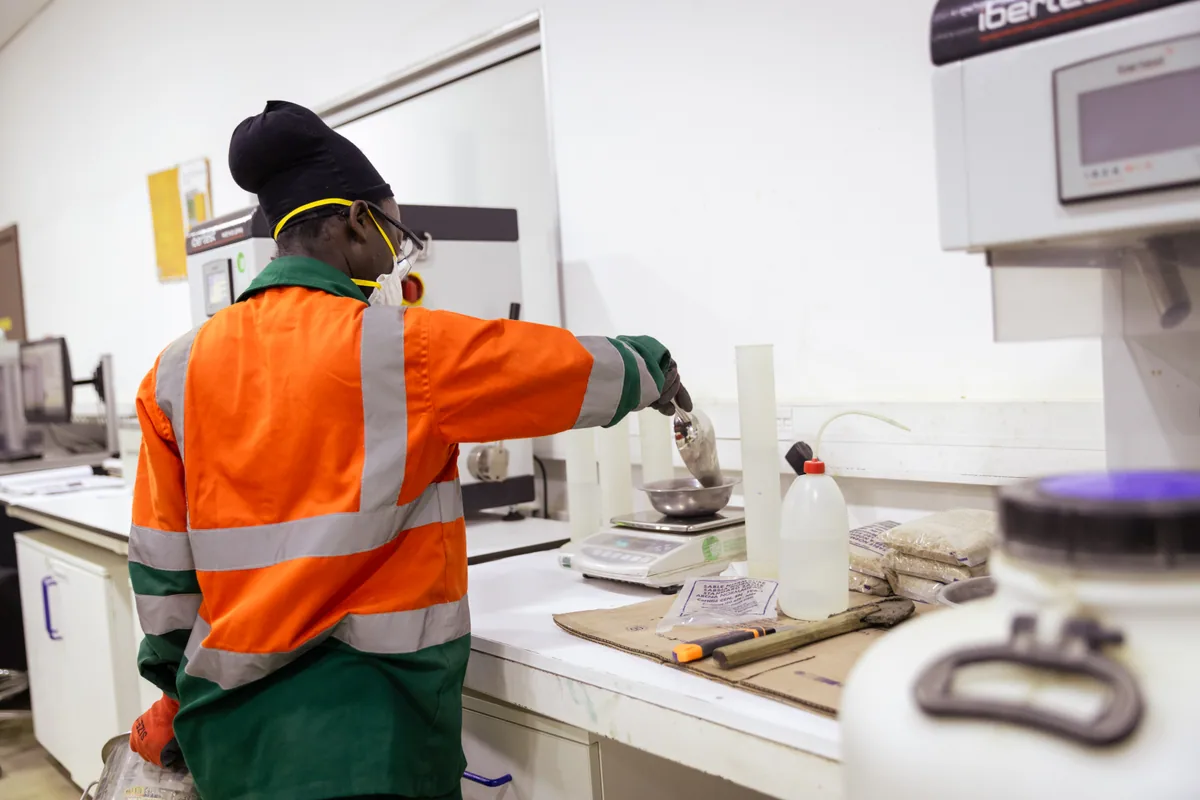
The Life Cycle Analysis of LC3: How We Validated the 40% CO₂ Reduction Figure
A detailed walkthrough of the cradle-to-gate LCA methodology used to verify CBI Ghana's carbon intensity claims, including boundary conditions, data sources and third-party verification protocol.
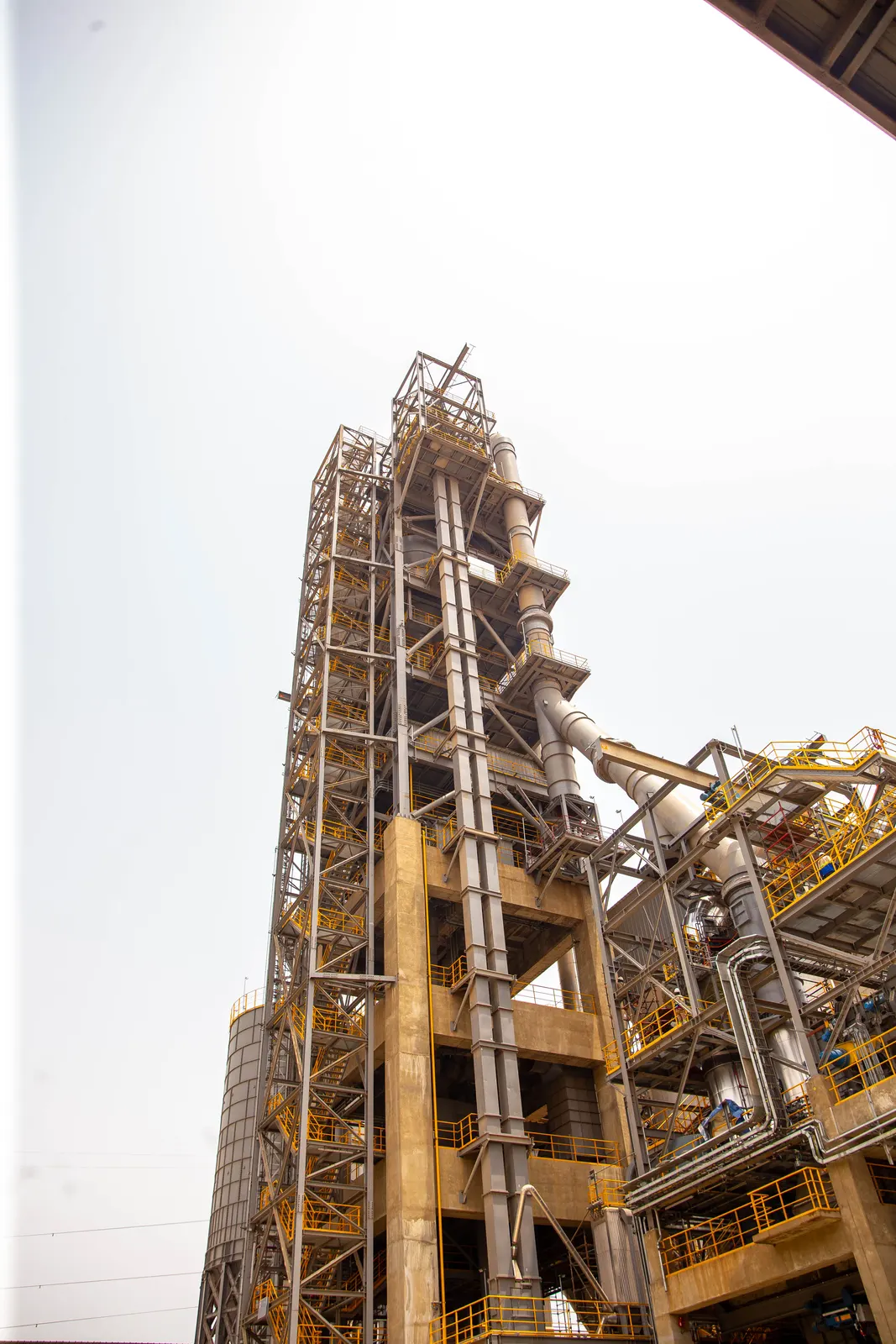
Chloride Resistance in LC3: Why Calcined Clay Dramatically Reduces Rebar Corrosion Risk in Coastal Structures
Presenting the results of 18-month chloride ingress tests on LC3 specimens compared to OPC controls. Our data shows a 62% reduction in chloride penetration depth — with major implications for Ghana's coastal infrastructure programme.
Technical Specification Writing: How to Reference Supacem LC3 in Structural Engineering Drawings and BoQs
A guide for consulting engineers on the precise specification language required to reference LC3 in bills of quantities, structural drawings and project specs in compliance with GS EN 197-1 and the Ghana Building Code.
No technical articles match this topic yet.
LC3 replaces up to 50% of clinker with calcined clay and limestone — reducing both cost and embedded carbon.
Most Popular
Join the LC3 Technical Community.
Get the latest LC3 research findings, performance data and technical guidance delivered directly to you.