
Decarbonizing Ghana's Infrastructure.
We are leading the industrial transition to low-carbon cement. Through the pioneering use of LC3 technology, CBI Ghana provides the high-performance material solutions required to build a net-zero future without compromising structural integrity.
Request Decarbonization RoadmapCO₂ Reduction vs OPC
tCO₂e Annual Reduction
High-Skilled Jobs Created
Local Clay Sourcing
Redefining the Clinker Factor.
Sustainability at CBI Ghana is not an elective; it is a core engineering discipline. We are the regional pioneers of Limestone Calcined Clay Cement (LC3). By replacing traditional clinker with locally sourced calcined clay, we have fundamentally altered the carbon profile of cement production in West Africa.
This technology is the cornerstone of our 2026–2028 Sustainability Strategy, allowing our partners to meet rigorous international environmental standards.
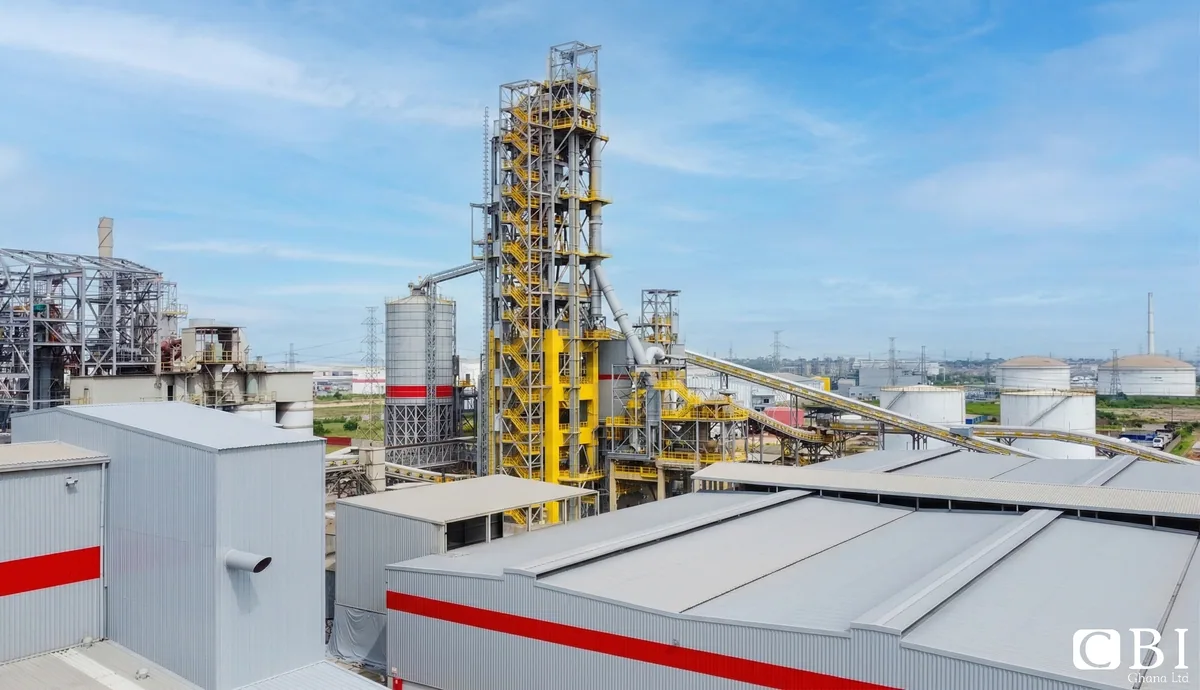
Meeting the Standards of Global Finance.
As MDBs and institutional investors tighten ESG requirements, material selection has become a matter of project viability. CBI Ghana provides the Institutional Permission needed to secure green finance.
Green Building Certifications
Facilitating LEED and EDGE certifications for urban developments through pre-qualified, low-carbon cement specifications.
MDB Procurement Alignment
Full alignment with the World Bank's and Norfund's environmental and social frameworks for international project financing.
National Carbon Goals
Contributing directly to Ghana's Nationally Determined Contributions (NDCs) under the Paris Agreement on Climate Change.
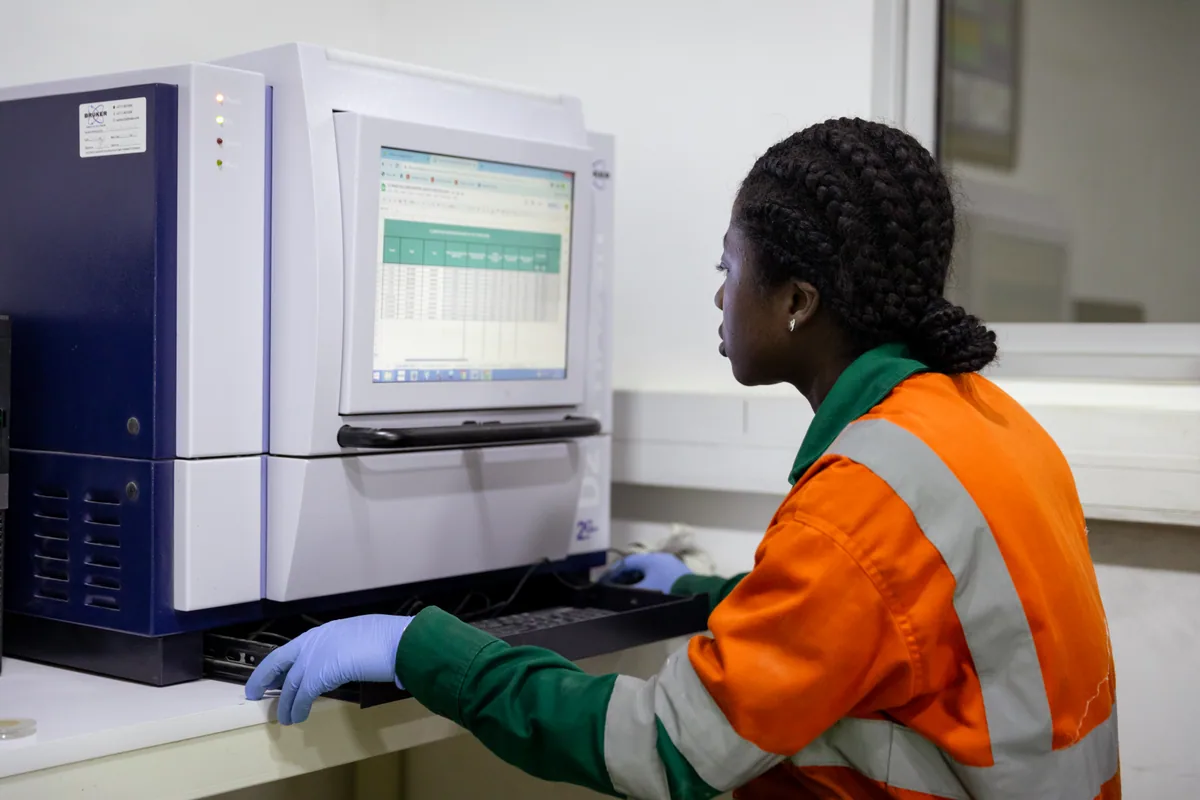
Vertical Integration as a Sustainable Practice.
True impact is rooted in the local economy. Our Decarbonization Roadmap is built on the foundation of local vertical integration. By sourcing clay and limestone within Ghana, we drastically reduce carbon footprints associated with global clinker logistics.
Sovereign Industrialization
Reducing dependency on foreign imports and volatile currency markets.
Job Creation
Supporting 300+ high-skilled industrial roles within the local community.
Resource Efficiency
Implementing circular economy principles to minimize waste throughout manufacturing.
Safety and Social Impact.
Health & Safety
Maintaining a zero-harm industrial environment at our Tema facility, every single shift.
Community Engagement
Strategic investments in education and technical training to develop Ghana's next generation of engineers.
Inclusion
Promoting diversity within our workforce as a driver of industrial innovation and equitable growth.